

Makeup brushes, sponges, and applicators are important parts of many beauty routines. They help blend foundation, apply blush, distribute powder, and create a smooth finish. However, these tools also collect makeup residue, oil, dead skin cells, and other debris with regular use. Without proper cleaning, buildup can affect how well the tools perform and may contribute to skin irritation.
Keeping makeup tools clean does not require an expensive collection of cleaning products or a complicated routine. A few basic supplies, gentle handling, and a consistent cleaning schedule can help maintain your brushes and applicators. Understanding how to care for different tools also makes it easier to keep them in good condition for longer.
At Pampered Vanity, beauty is about feeling confident and making everyday routines enjoyable. Learning how to maintain makeup tools is a practical part of that experience. With the right habits, you can create a cleaner makeup routine while taking better care of the accessories you use regularly.
Why Cleaning Makeup Tools Matters
Removing Product Buildup
Every time you use a makeup brush or sponge, small amounts of product remain on its surface. Foundation, concealer, powders, and cream products can accumulate between the bristles or inside a sponge.
This buildup can make tools feel stiff, affect product application, and cause makeup colors to mix when you switch between products. Regular cleaning helps remove residue and keeps your tools ready for their next use.
Supporting Better Hygiene
Makeup tools come into contact with your skin repeatedly. Over time, they can collect oil, dirt, and microorganisms. Dirty tools may contribute to irritation or infections, particularly when used around the eyes or on sensitive skin.
The American Academy of Dermatology recommends washing makeup brushes every seven to ten days. Brushes should also be cleaned when they become visibly dirty or have been used with products that require more frequent cleaning. Avoid sharing brushes and applicators with other people.
Helping Tools Last Longer
Makeup brushes can become rough or lose their shape when product residue builds up. Harsh cleaning methods may also damage their bristles or loosen the adhesive holding the brush head together.
Gentle washing and proper drying help preserve the shape and function of your tools. Good maintenance can reduce unnecessary wear and help you recognize when an applicator needs replacement.
How to Clean Makeup Brushes Properly
Step 1: Remove Excess Makeup
Begin by gently wiping excess powder or cream product from the brush using a clean tissue or towel. Avoid pulling at the bristles, as this can loosen them.
Step 2: Use Lukewarm Water
Rinse the bristle tips under lukewarm running water. Keep the handle and the area where the bristles meet the handle as dry as possible. Excess water can weaken the adhesive inside the brush.
Step 3: Wash With a Gentle Cleanser
Use a suitable gentle brush cleanser or mild shampoo. Gently swirl the bristles in the cleanser and work out the remaining makeup without pressing or twisting them aggressively.
Step 4: Rinse Thoroughly
Rinse until the water runs clear and no cleanser remains. Leftover cleaning solution may affect the texture of the bristles.
Step 5: Dry Correctly
Gently squeeze out excess water using a clean towel, reshape the bristles, and lay the brush flat to dry with the bristle tips extending slightly over the edge of a counter. Let the brush dry completely before storing it.
How to Care for Makeup Sponges and Applicators
Makeup sponges need particular attention because product can accumulate inside their porous material. Follow the cleaning instructions supplied with the sponge, use a suitable cleanser, and rinse thoroughly until residue is removed.
Allow sponges to dry fully in a clean, well-ventilated area. Avoid storing damp sponges in closed makeup bags or containers, where moisture may remain trapped. Replace a sponge if it develops persistent odors, mold, tears, or deterioration.
Reusable applicators should be cleaned according to their material and the manufacturer’s instructions. Disposable applicators should be discarded after use rather than treated as reusable tools.
Common Makeup Tool Cleaning Mistakes to Avoid
Using Harsh Products
Strong household cleaners and unsuitable chemicals can damage bristles or leave irritating residues. Use products intended for makeup tools or other gentle cleansers appropriate for the tool’s material.
Putting Brushes Away While Wet
Damp tools stored in closed containers can develop unpleasant odors and may become contaminated. Give every tool enough time to dry completely before putting it away.
Sharing Personal Applicators
Sharing brushes, sponges, or eye makeup applicators can transfer microorganisms between users. Keep personal tools separate, especially those used around the eyes and lips.
Ignoring Worn-Out Tools
Cleaning cannot restore a brush that is shedding excessively, has damaged bristles, or no longer cleans properly. Inspect tools regularly and replace those that cannot be maintained hygienically.
How to Build a Manageable Cleaning Schedule
Choose one day each week to wash your regularly used makeup brushes. If you have many tools, clean them in small groups rather than leaving the entire collection until it becomes heavily soiled.
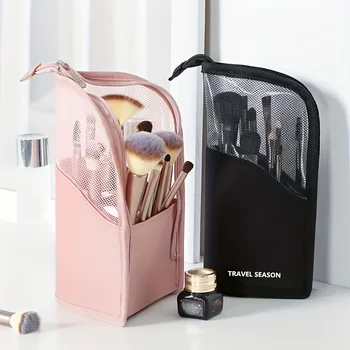
Keep clean towels and suitable cleanser in one place so the process feels simple. Store dry brushes in a clean holder, with their bristles protected from dust. Keep used tools separate from freshly cleaned ones.
A small, repeatable habit is more useful than an elaborate routine that is difficult to maintain.
Conclusion
Clean makeup tools are an important part of a well-maintained beauty routine. Regular washing, careful drying, hygienic storage, and timely replacement can help your brushes and applicators remain useful and comfortable to use. By making tool care a regular habit, you can support better makeup hygiene without adding unnecessary complexity to your day.
Explore the Pampered Vanity shop for beauty tools and everyday essentials.





0 Comments