

Well-maintained nails do not always require frequent salon appointments or an elaborate manicure routine. With a few basic tools and consistent care, you can keep your nails clean, neatly shaped, and comfortable to maintain at home. Understanding how to care for your nails also helps you avoid habits that may cause unnecessary damage.
Whether you prefer natural nails, occasional polish, or more decorative manicures, the foundation remains the same: gentle handling, clean tools, and attention to nail health. Simple habits such as moisturizing your hands, trimming carefully, and avoiding aggressive cuticle work can make nail care more manageable.
Pampered Vanity offers beauty and nail care essentials that fit into personal grooming routines. Learning the basics of nail maintenance can help you use these types of tools more confidently while developing a routine that suits your preferences.
Start With Clean and Properly Maintained Nails
Remove Dirt Gently
Wash your hands regularly and clean underneath your nails carefully. Use a soft nail brush if needed, but avoid scraping aggressively beneath the nail, as this can irritate the surrounding skin.
Dry your hands thoroughly after washing, especially around the nails. Keeping the area clean and dry supports everyday nail hygiene.
Trim and Shape Your Nails
Use clean nail clippers or a suitable nail file to maintain your preferred length. Trim carefully rather than cutting too close to the skin, and smooth rough edges with a file.
Filing in one controlled direction may help reduce unnecessary splitting for some nails. Choose a file that suits your nails and avoid excessive filing, which can thin or weaken them.
Moisturize Hands and Cuticles
Frequent handwashing and exposure to cleaning products can leave the skin around your nails dry. Apply hand cream regularly, paying attention to the nail folds and surrounding skin.
Avoid cutting your cuticles or pushing them back forcefully. Cuticles help protect the area where new nail growth begins, and damaging them can increase the risk of irritation or infection.
Prepare Your Nails Before Applying Polish
Begin With a Clean Surface
Remove old polish using a suitable remover and follow its instructions. Some removers can dry the nails or surrounding skin, so moisturize afterward and avoid unnecessary repeated use.
If you are applying new polish, make sure the nails are clean and dry. Applying products over residue or moisture may affect how evenly they adhere.
Use Nail Products Carefully
Choose nail polish, base coats, and other products according to your preferences and follow their application instructions. Avoid applying products to irritated or damaged skin.
For gel products, including builder gels, read the manufacturer’s directions carefully. Use only compatible curing equipment when required, and follow the specified curing times. Uncured gel should not contact the skin, as repeated exposure can cause allergic reactions in some people.
If a product causes itching, swelling, burning, or other unusual symptoms, stop using it and seek appropriate medical advice.
How to Maintain a Manicure Between Applications
Avoid Using Your Nails as Tools
Opening packages, scraping labels, and prying objects can put pressure on your nails and cause breakage. Use the appropriate household tool instead.
Protect Your Hands During Chores
Frequent exposure to water, detergents, and cleaning chemicals can weaken nails or irritate the surrounding skin. Wear suitable protective gloves when doing tasks that involve prolonged water exposure or household cleaning products.
Remove gloves afterward and dry your hands properly.
Give Your Nails Time to Recover
If your nails become brittle, peel repeatedly, or feel unusually thin, consider taking a break from artificial enhancements and aggressive filing. Keep them at a manageable length and moisturize regularly.
Persistent nail discoloration, pain, swelling, or changes in nail growth should be evaluated by a healthcare professional rather than covered with polish.
Keep Your Nail Care Tools Clean
Nail clippers, files, brushes, and other reusable tools need appropriate cleaning and storage. Follow the care instructions for each item, and never share tools that may come into contact with broken skin or blood.
Keep tools dry and stored in a clean container. Discard disposable items when their intended use is complete, and replace reusable tools that become rusty, damaged, or difficult to clean.
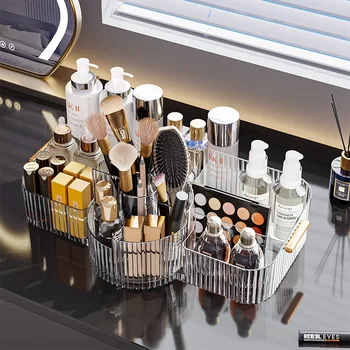
A small, organized nail care kit can make it easier to maintain consistent hygiene without accumulating unnecessary products.
Create a Simple Weekly Nail Care Routine
Choose a convenient time each week to inspect your nails, trim any rough edges, and moisturize your hands. You can also check whether your tools need cleaning or replacement.
Avoid making changes simply because a particular nail trend is popular. The best routine is one that supports your nails’ condition and fits your daily activities.
If you enjoy decorative manicures, balance styling with careful removal and gentle maintenance. Healthy-looking nails are not defined by a particular length, shape, or polish color.
Conclusion
At-home nail care can be simple when you focus on cleanliness, gentle shaping, regular moisturizing, and responsible use of nail products. By protecting your nails from unnecessary stress and keeping your tools in good condition, you can maintain a neat appearance while making nail care a practical part of your routine.
Visit the Pampered Vanity shop to explore nail care tools and beauty essentials.
0 Comments