Styling your hair can be an enjoyable way to express your personality, whether you prefer smooth, straight strands, soft waves, defined curls, or a simple ponytail. However, frequent use of high-temperature styling tools can leave hair dry, brittle, and more prone to breakage. Building gentler styling habits can help you maintain the look you enjoy while reducing unnecessary stress on your hair.
The good news is that creating attractive hairstyles does not always require a curling iron or flat iron. Heatless methods, thoughtful brushing, and choosing suitable accessories can offer practical alternatives for everyday styling. The best approach depends on your hair texture, length, condition, and the amount of time you have available.
Pampered Vanity features hair essentials and styling accessories that fit into everyday beauty routines. Understanding how to use these tools carefully can help you make more informed choices and develop a hair routine that balances appearance, convenience, and care.
How Heat Affects Your Hair
Why Frequent High Heat Can Be Harmful
Hair fibers can become damaged through repeated exposure to excessive heat. This may lead to dryness, rough texture, split ends, and breakage. Hair that has already been chemically treated or damaged may need extra care.
The goal is not necessarily to avoid every heated tool forever. Instead, consider how often you use one, the temperature setting, and whether a gentler method can achieve the same result.
Recognizing When Hair Needs a Gentler Approach
Hair that tangles easily, feels rough, or develops frequent breakage may benefit from less aggressive styling. Reduce tension from tight hairstyles and avoid repeatedly passing a hot tool over the same section.
If you notice significant or unexplained hair loss, persistent scalp irritation, or other concerning changes, consult a qualified healthcare professional rather than relying on styling adjustments alone.
Try Heatless Hairstyles for Everyday Looks
Heatless Curls and Waves
Heatless curling methods use rollers, curling ribbons, or other suitable accessories to shape hair without direct high heat. Depending on your hair type and the technique, they can create loose waves or more defined curls.
Start with hair that is slightly damp only when the method is designed for it. Hair should not be left tightly wrapped while excessively wet, as prolonged dampness can be uncomfortable and may increase the risk of breakage during handling. Follow the accessory’s instructions and avoid wrapping hair too tightly.
Braids for Natural Texture
Braids can create waves when the hair is released, or they can serve as a practical protective style. Use gentle tension, avoid pulling at the hairline, and remove the braid carefully rather than tugging through tangles.
Ponytails and Simple Updos
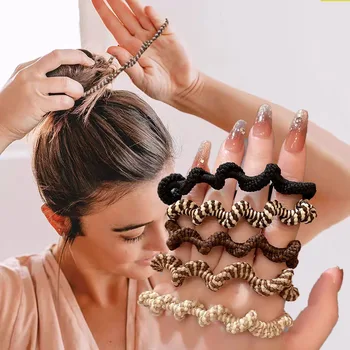
A ponytail, loose bun, or half-up hairstyle can look polished without extensive heat styling. Choose smooth accessories that do not snag the hair, and vary the placement of your ponytail to avoid repeated tension in the same area.
Avoid keeping tight hairstyles in place for long periods, particularly if they cause discomfort or pull at the scalp.
Build a Gentle Hair Preparation Routine
Detangle Before Styling
Begin by removing tangles carefully. Work from the ends toward the roots, using a suitable brush or comb for your hair texture. Wet hair can be more vulnerable to breakage, so handle it gently and choose an appropriate detangling method.
People with tightly curled or textured hair may find detangling easier when the hair is wet and conditioned. Others may prefer to let their hair partially dry first.
Choose Products for Your Hair Type
Fine, straight, thick, curly, and textured hair can have different needs. Select shampoos, conditioners, and styling products according to your hair and scalp rather than following every popular trend.
A lightweight product may suit fine hair, while curlier or coarser hair may benefit from richer conditioning products. Introduce new products gradually so you can determine how your hair responds.
Dry Without Rough Handling
After washing, gently squeeze excess water from your hair with a soft towel or T-shirt. Avoid vigorously rubbing the hair, which can create tangles and friction.
Whenever possible, allow hair to air-dry partially before styling. If you use a blow dryer, follow its safety instructions and use a moderate or low heat setting that suits your hair.
If You Use Heated Styling Tools
Lower the Temperature
Use the lowest effective temperature for your desired result. Higher temperatures are not automatically better and can increase damage.
Apply Heat Protectant When Appropriate
Use a heat-protectant product designed for your styling method and follow its directions. A protectant may reduce some heat-related damage, but it does not eliminate the risks of excessive heat.
Limit Repeated Passes
Work with manageable sections and avoid repeatedly applying heat to the same area. Make sure hair is completely dry before using a flat iron or curling iron unless the tool is specifically designed for damp hair.
Choose and Maintain Your Hair Accessories
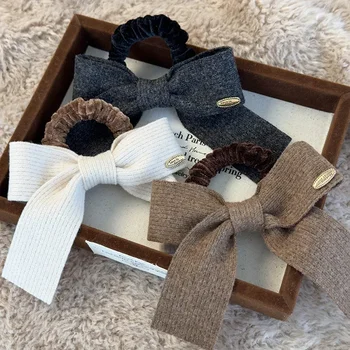
Hair brushes, clips, ties, and curling accessories should suit both your hairstyle and your hair type. Smooth, snag-free materials can make styling easier, while excessively tight accessories may contribute to breakage.
Clean brushes periodically to remove shed hair, dust, and product residue. Follow the cleaning instructions for each accessory, and replace items that have sharp edges, broken components, or surfaces that catch the hair.
Keep accessories organized so you can find the right tool without rushing through your routine.
Conclusion
Gentler hair styling begins with understanding your hair and reducing unnecessary heat, friction, and tension. Heatless curls, loose hairstyles, suitable brushes, and careful detangling can help you create a variety of looks while paying attention to hair condition. With a consistent approach, styling can become both simpler and more comfortable.
Explore Pampered Vanity for hair accessories and everyday beauty essentials.
0 Comments